Know your gems: origin
13.02.16
Diamonds
.jpg)
As the hardest naturally forming material on Earth, a diamond, from ancient Greek, means “unbreakable”.
The formation of a diamond requires very specific conditions. These conditions are met in only two places on Earth. The first is in the Earth's crust, in the lithospheric mantle below relatively stable continental plates. The second is at the site of a meteor strike.
Diamonds begin to form 87-190 miles down the crust. How do they get to the surface, you ask? These precious gems are carried within rocks by deep-origin volcanic eruptions.
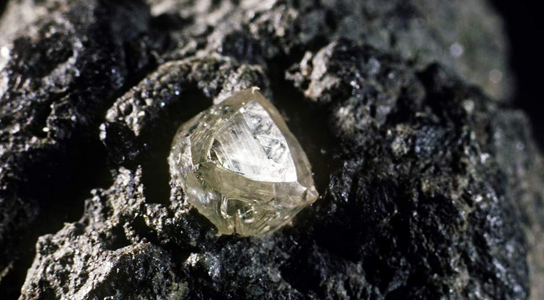
Once a diamond has been carried up to the Earth's surface, it may erode out of the rock, so that it can be discovered and shaped into a perfectly cut diamond.
Modern diamonds come from Canada, Botswana, Namibia, South Africa and Russia. Some diamonds can be lab-created if the conditions they require to form, such as temperature and pressure, are perfectly met.
Emerald

Considered the most precious of gemstones, quality emeralds can be even more valuable than diamonds. The green colour of emeralds can vary from intense green to a very light and yellowish green tones. It is rare for emeralds to have a clear and complete green colour though.
In ancient times, emeralds were mined in Australia and Egypt. Nowadays, the main suppliers of the gemstone are Afghanistan and Colombia. In fact, Colombian emeralds are famous for their sparkle and vivid green colour.
Today, high in demand Colombian emeralds are easier to find; even though mines for fine emeralds are exclusive.
The famous and rare Trapiche emeralds that have 6 rays stemming from the centre are Colombian as well.
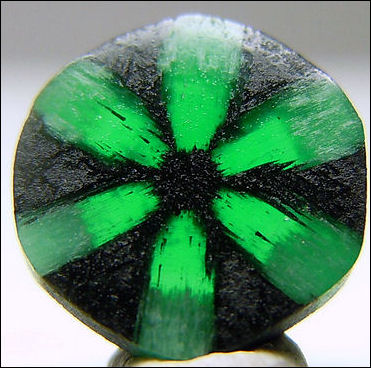
A relatively new mine in Zambia has made emeralds much more available on the market. Zambian emeralds have become popular in the market because of their rich deep colour and minimal inclusions. They are darker than Colombian stones, some come with bluish tint.
Brazil also produces some of the finest emeralds. In fact, Brazil now produces more emeralds than any other country in the world. Other known producers of emeralds are Pakistan, Afghanistan, Madagascar, Nigeria, and Russia.
Sapphire
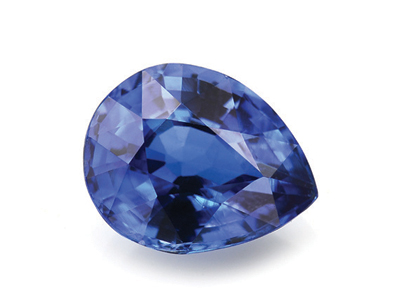
The most famous sources for sapphire are Kashmir and Myanmar, former Burma. The Kashmir sapphires were first discovered in 1881; these stones have a rich velvety colour, which is praised by experts. Burmese sapphires are also considered fine quality gemstones.
However, these two sources account for a very small portion of sapphires in the market. Most sapphires come from Sri Lanka, Thailand, Australia, and Cambodia. Some also are exported from Nigeria, Kenya, Tanzania, China, Vietnam, Madagascar, and the USA.
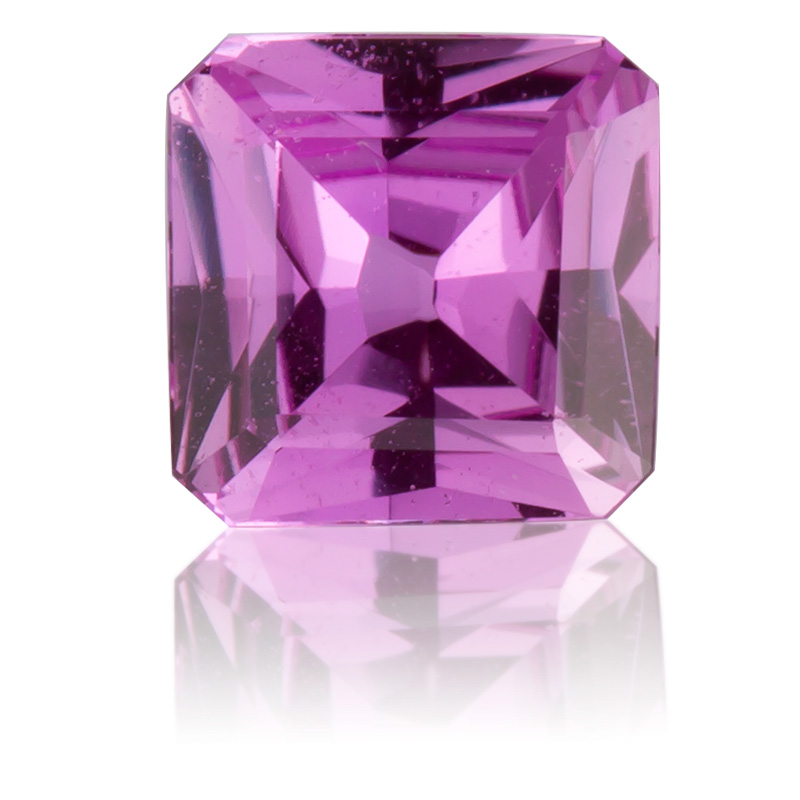
Sri Lanka in particular produces a wide range of beautiful blues with deep saturated hues. Pink and purple sapphires from Sri Lanka are extremely vibrant in colour and are generally rarer than blue sapphires.
Ruby
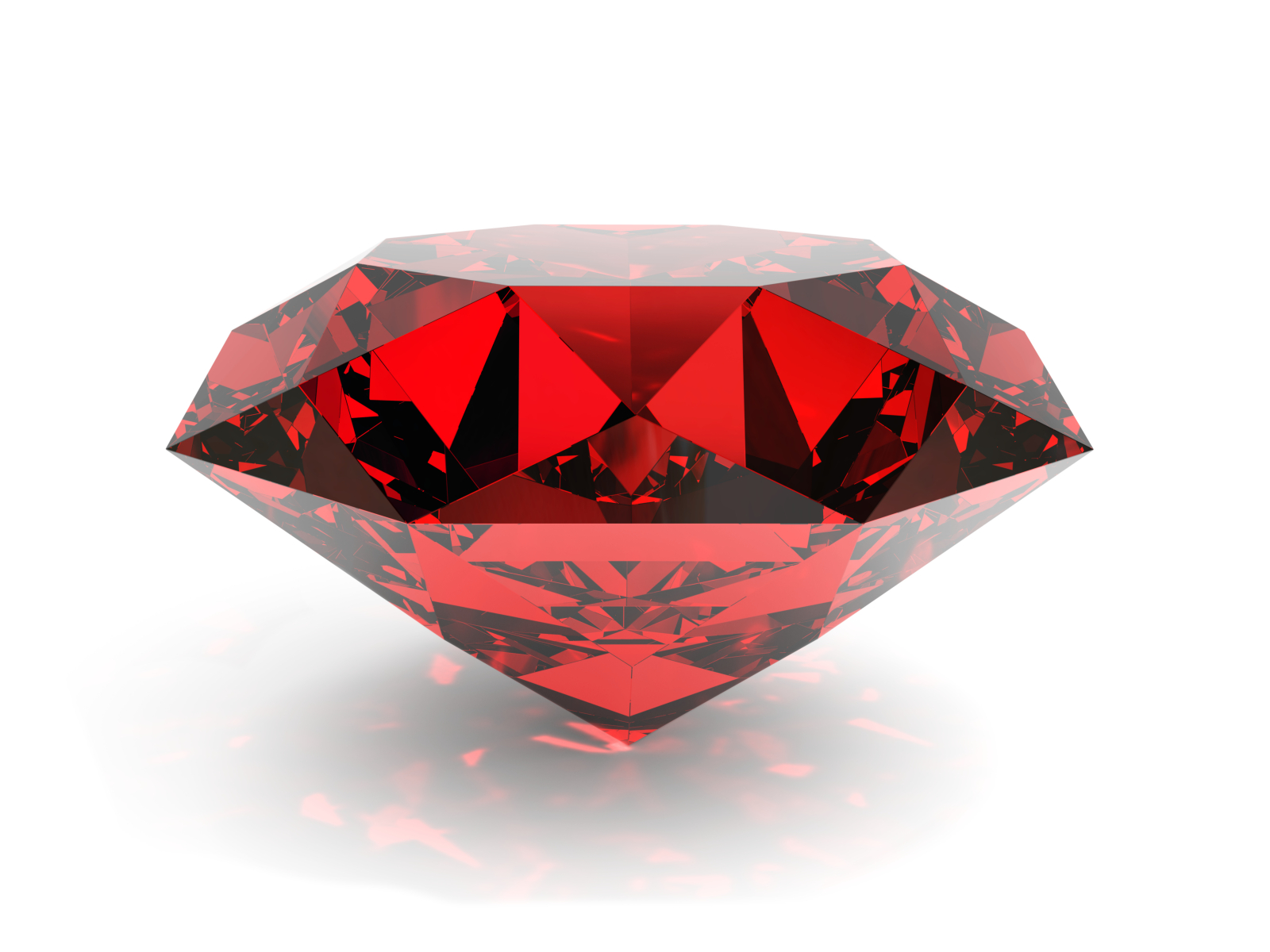
Ruby is the red cousin of sapphire as they belong to the same mineral, corundum. High quality rubies especially in larger sizes are extremely rare and demand premium prices.
The best known source of fine rubies is Myanmar. They often have a pure red colour, which is often described as "pigeon's blood". Myanmar also produces intense pinkish red rubies, which are vivid and extremely beautiful. Demand for fine rubies is really limited in terms of supply.
Most rubies are cut and marketed from Thailand, the world's most important ruby trading centre. About 80% of world's ruby goes through Thailand at some point in the trading cycle.
Aquamarine
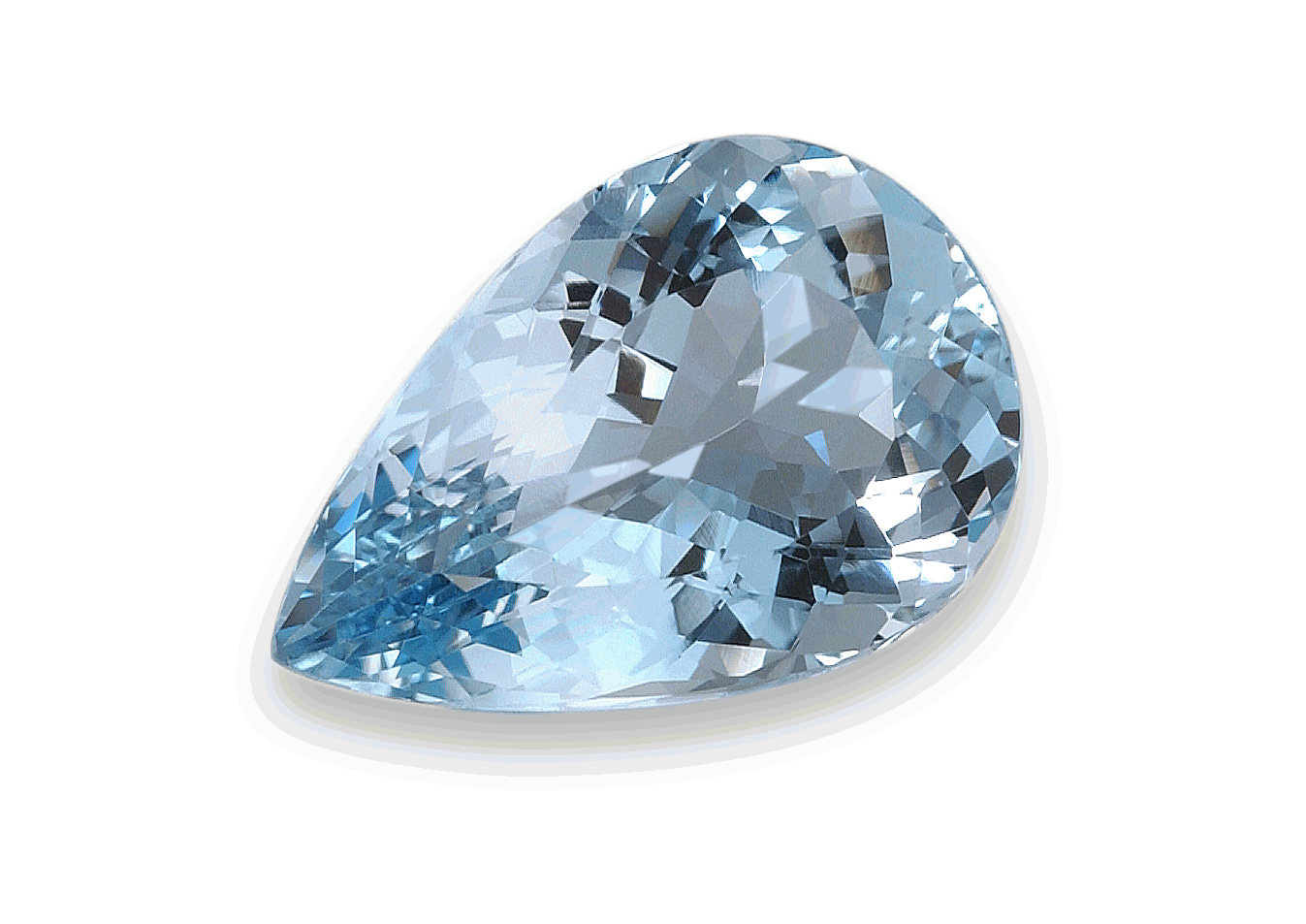
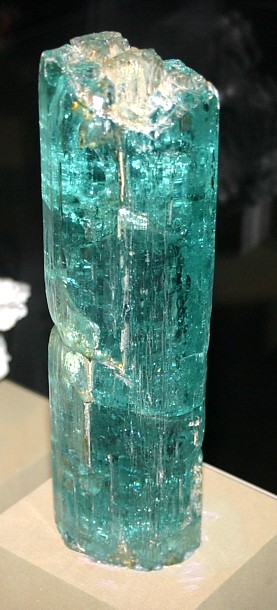
Aquamarine which is Latin and means "water of the sea" is so named because of its beautiful turquoise sea water colour. A dark blue is the most desired colour.
Since they belong to the mineral group of beryl, aquamarines are actually sisters of emeralds. The soft blue stones are found in Brazil, Zambia, Mozambique, Angola, Nigeria, Afghanistan but like emeralds, Brazil is the primary source.
More recently Zambia, Mozambique and Nigeria have been producing some of the finest aquamarine stones. Additionally, some very dark blue aquamarine is mined in India.
The largest high quality gem crystal ever discovered was a 243lb (110.5kg), 18 inches (48.5cm) long and 15.5 inches (42cm) in diameter crystal mined in Brazil. Found in 1910, it was cut into many stones with a total weight of over 100,000 carats.