Gemstone 10 fun facts
24.03.16
THE SOFTEST GEMSTONE
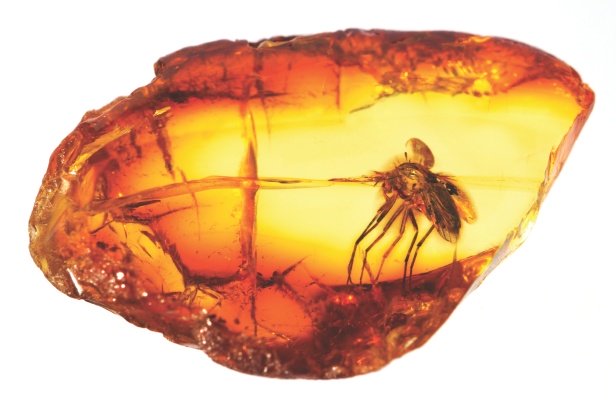
The softest and lightest gemstone on earth is amber. It is so light that it is able to float in salt water.
The stone is formed by resin from prehistoric trees, that have been fossilized. In ancient times the resin dripped and oozed down trees, filling fissures and trapping debris such as seeds, leaves, feathers and insects.
The two main sources of amber in today's market are the Baltic states and the Dominican Republic. Amber from the Baltic states is older than that from the Dominican Republic is more likely to have insect inclusions.
In order to be considered precious, the fossilized resin needs to be at least 30 million years old.
THE HARDEST GEMSTONE
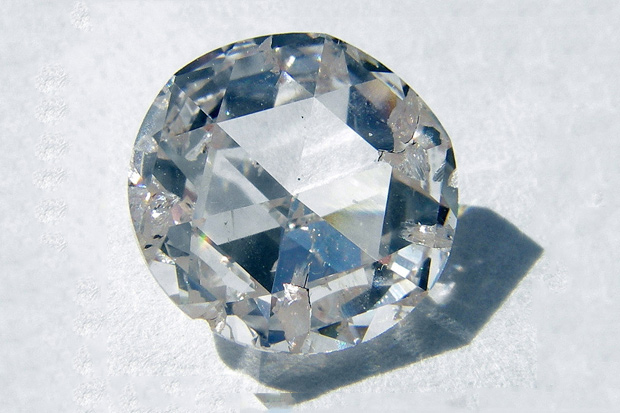
The hardest gemstone is the diamond. The only thing that can scratch a diamond is another diamond. It measures a 10 on the Mohs scale of mineral hardness, which means it is as hard as a gemstone can be.
THE LARGEST AMERICAN DIAMOND
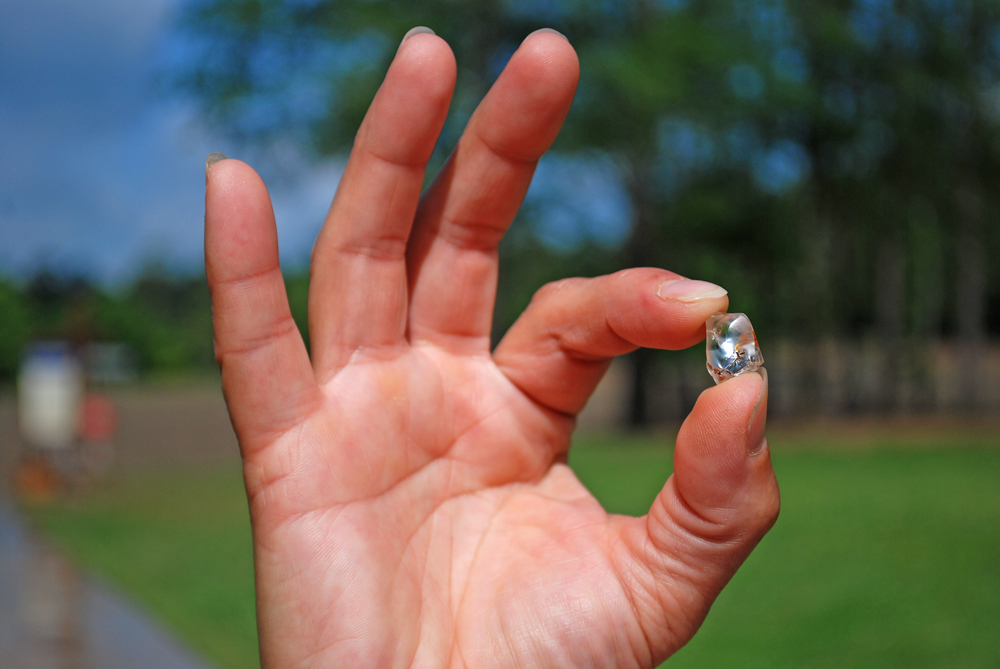
The largest diamond discovered within the United States is known as the Uncle Sam Diamond. It originally weighed more than 40 carats and was found in Murfreesboro, Arkansas, in the early 1920s. The man who discovered the diamond was Wesley Oley Basham, also known as Uncle Sam. The stone was eventually cut into an emerald-cut diamond that weighs more than 12 carats.
CLEOPATRA’S FAVORITE GEMSTONE
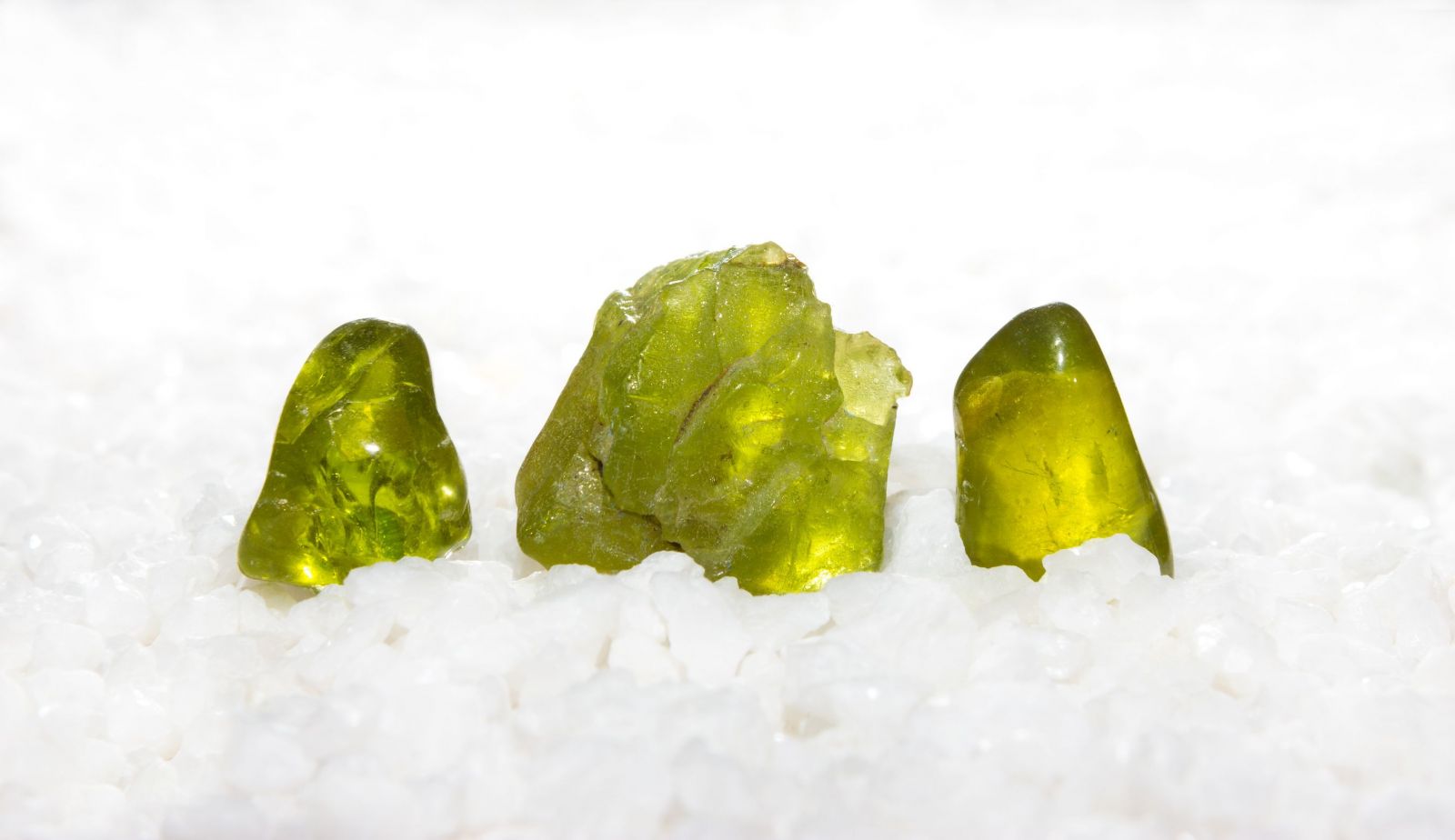
The ancient Egyptians treasured and valued green gemstones. It is believed that Cleopatra’s favourite gemstones were peridots, even though she sometimes confused them with emeralds.
GARNETS AND POMEGRANATES
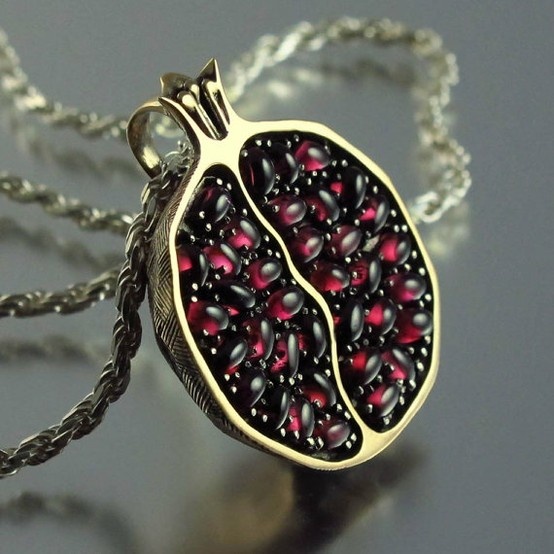
The name “garnet” comes from the Latin word “garanatus” meaning “seedlike”, in reference to a pomegranate and the blood-red seeds inside the fruit. The pomegranate is believed to represent one’s own life, dying, and rebirth.
THE LARGEST PRECIOUS GEMSTONES
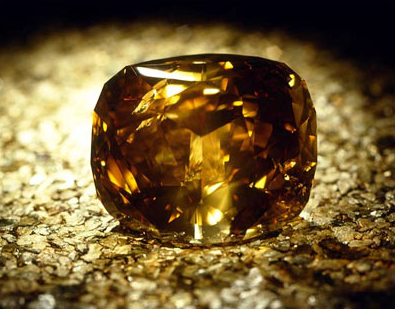
The largest precious gemstone ever found, and faceted is the "Golden Jubilee Diamond" weighing in at 545.67 carats - currently the largest faceted diamond in the world.
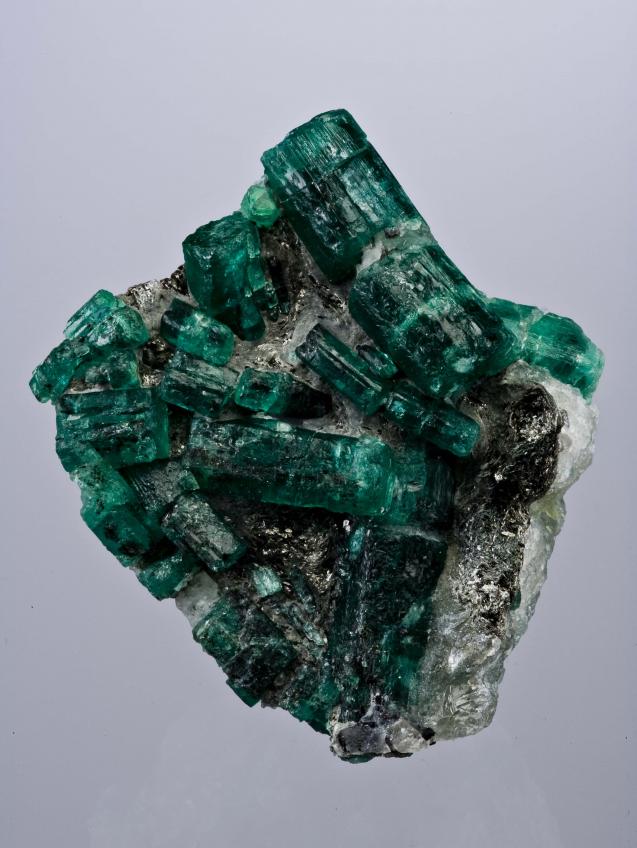
The largest precious gemstone ever found, yet unfaceted, is the Bahia Emerald weighing 840 lb, or, 1,900,000-carats. This stone was mined in the Bahia State in Brazil. The stone has been valued at some $400 million but was once listed for sale on eBay for a "Buy It Now" price of $75 million.
THE STAR OF ASIA
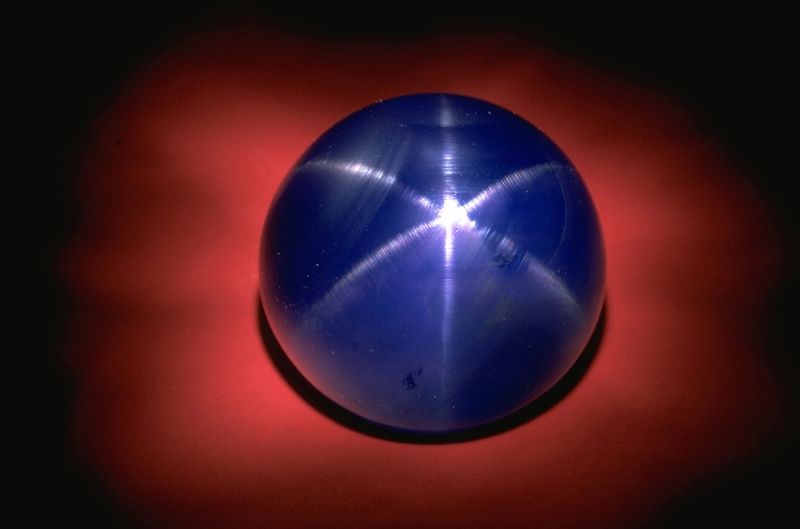
The Star of Asia is a beautiful cabochon star sapphire that currently resides in the Smithsonian National Museum of Natural History in Washington. It is a 330-carat stone that came from the Magok mine in Burma. Its color is rich and the stone is clear, and it is one of the biggest star sapphires on earth.
MOST COLOURFUL GEMSTONES
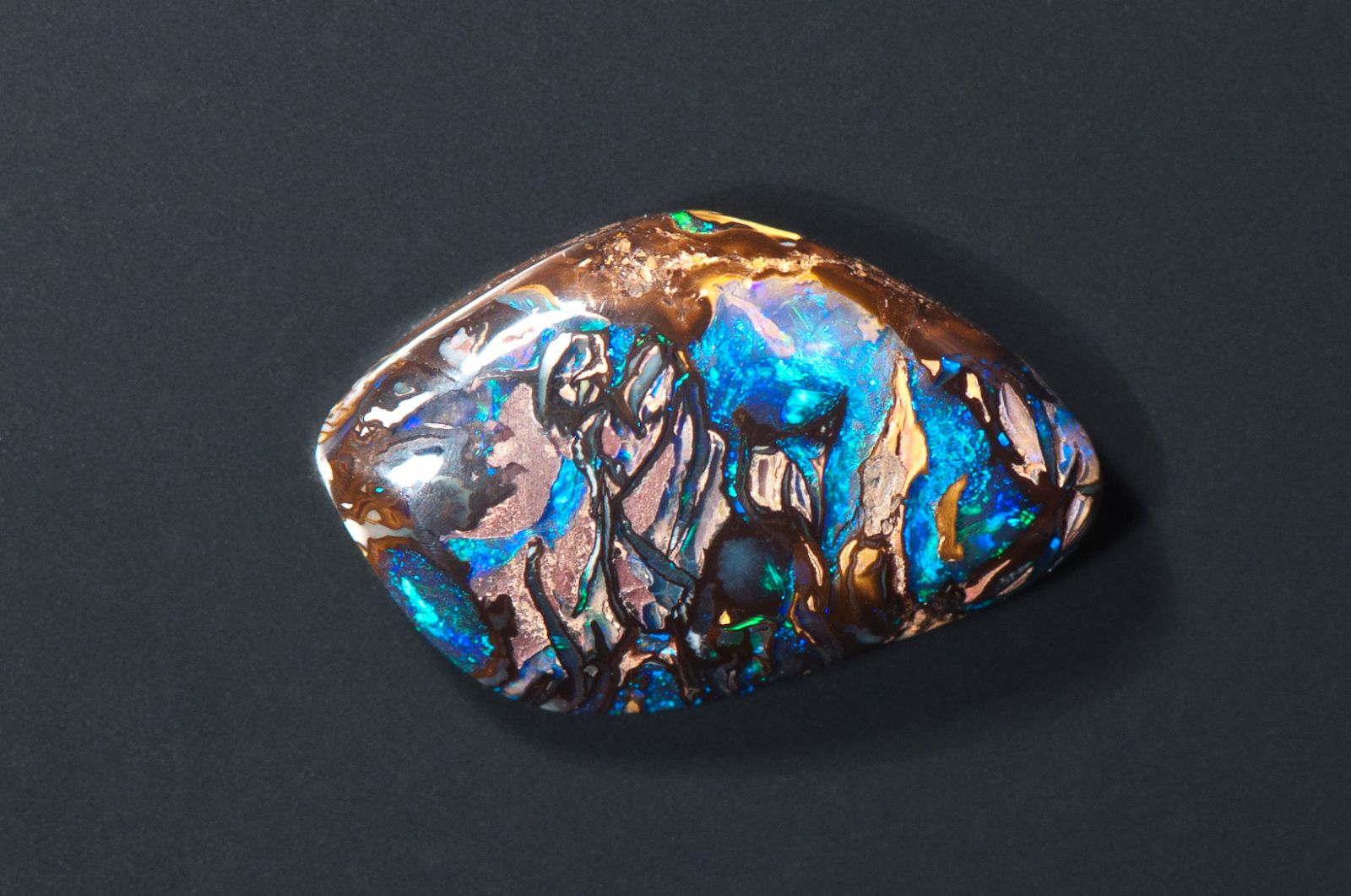
Opal and the tourmaline are both recognized as the most colorful gemstones. Tourmaline is also known as the “Rainbow Gem” because it’s the only gem that comes in every color. Opal is also a colorful stone, but some opals can be colorless or have flashes of color within their black or white background appearance.
THE REAL HEART OF THE OCEAN

The Heart of the Ocean from James Cameron’s Titanic is a beautiful but fictitious sapphire necklace, which sinks to the bottom of the ocean when the boat meets its demise. In fact, there was a real sapphire necklace on the real Titanic that sank in the Atlantic Ocean in April 1912.
Henry Morley, age 40 and married, was having an affair with his unmarried employee, Kate Phillips, age 20. The two had boarded the ship to go to America and start a new life together. Morley gifted a beautiful sapphire necklace, similar to the one in the movie, to Phillips right before the ship sank. Unfortunately, and much like in the movie, Morley wasn’t able to swim and died that night, while Phillips was able to get aboard a lifeboat and survived, although the sapphire necklace did not make the trip onto the lifeboat. But on a slightly happier note, it turns out she was carrying his baby at the time and had a healthy baby girl named Ellen several months later.
PEARLS TAKE TIME
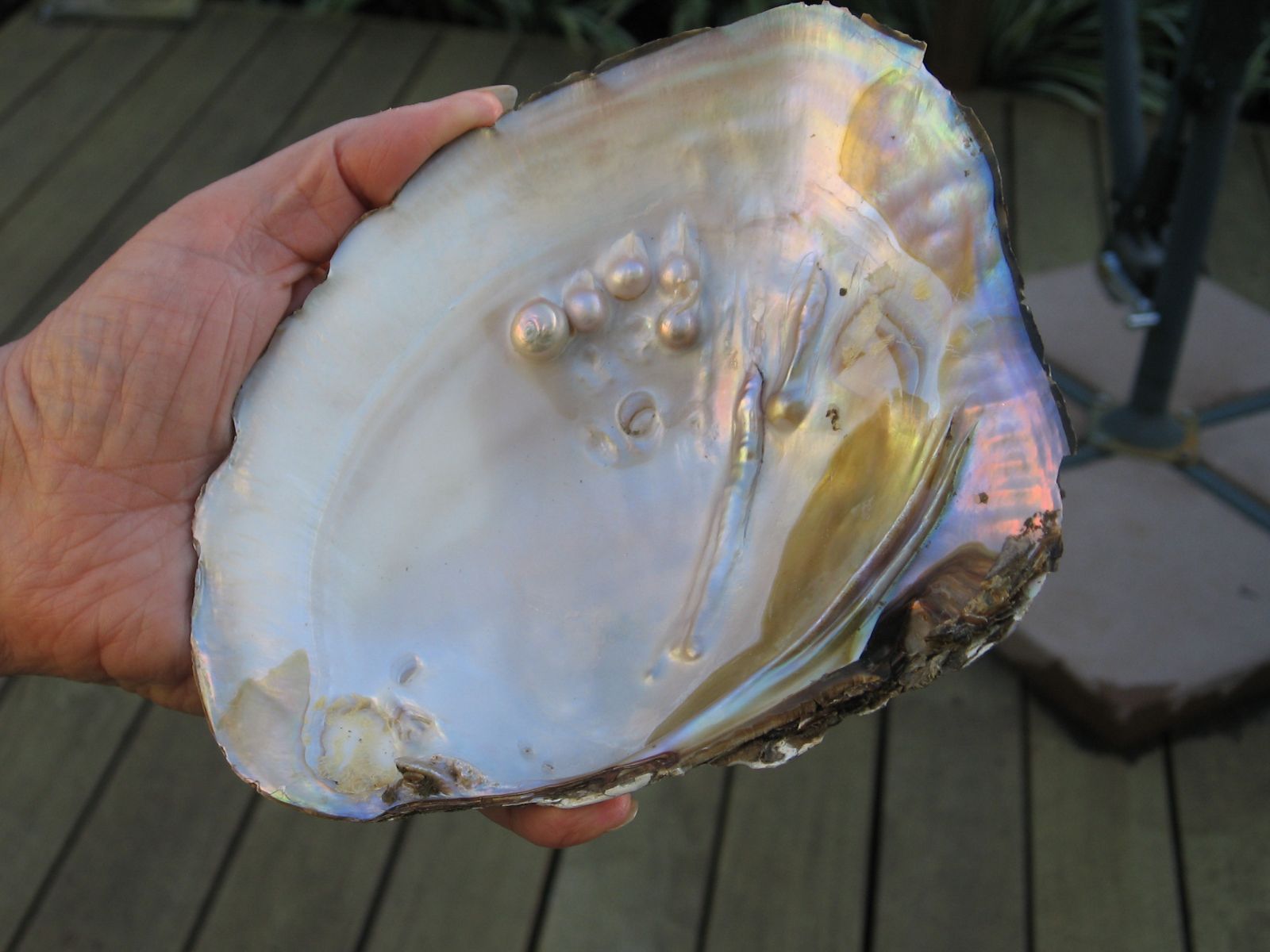
Each pearl takes up to three years to come to fruition. When a pearl is cultivated, a small piece of shell or a bead, also known as the nucleus, is planted within the mollusk in order to grow into a beautiful pearl. These pearls are then harvested in a couple of years after they grow into the perfect size to create a wonderful piece of pearl jewellery.