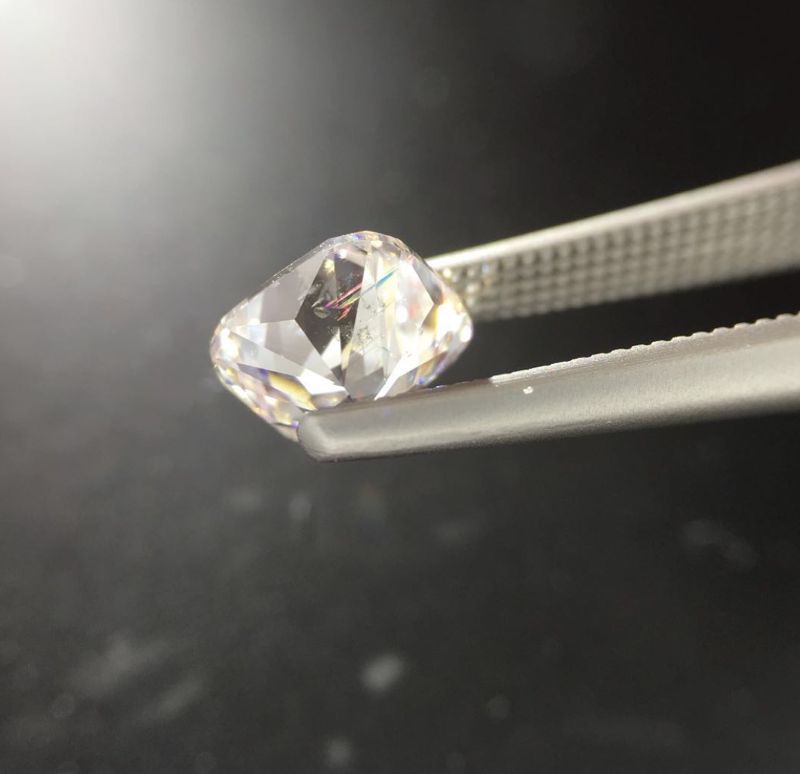
Fracture filled diamonds
01.08.16
As many of you may know, diamonds are a girl’s best friends. So IGR has decided to write a post about these beauties. However, we are not here to talk about how wonderful they are, neither about their many qualities that make them a girl’s best friend. Instead, we would like to dedicate this post to those diamonds, that don’t make it into the “besties list” and how after a specific treatment, they become more appealing. Therefore, in today’s post we will talk about the controversial FRACTURE FILLED DIAMONDS.
In order to understand fracture filling we will start by explaining a basic concept such as the clarity of a diamond. What is clarity? The clarity gives us an idea on how inclusions (imperfections inside a diamond) and blemishes (imperfections that only affect the surface of a diamond) affect the appearance of a stone. To determine the clarity of a diamond, the grader needs to take in consideration the number, position, relief, size and nature of the imperfections mentioned above. Once the grader has determined the degree in which the imperfections affect the stone he/she can assign a clarity grade. As many of you may know already, GIA developed a clarity scale divided in 6 categories and each category divided in two or three subcategories. The clarity scale goes from FL (Flawless) being the highest grading a diamond could get to I3 (Included) being the lowest.
.jpg)
There are many types of inclusions that we can find in a diamond. Some of them don’t affect the beauty and the durability of it, but some of them do. One of the inclusions that make a diamond less desirable is a FEATHER. (Let’s be honest there are many other inclusions that may affect the beauty of a diamond but for this post we will focus just on the feathers).
Some of you out there may be wondering what a feather is. Basically it's just a fracture or crack within a diamond that sometimes can reach its surface and receives that name as it resembles a bird’s feather (and also because it sound better than “crack”). Depending on the viewing direction a feather might be almost transparent or will show a white glossy colour and in rare occasions might have oxide stains.
Diamonds with high clarity grades such as VVS and VS can have tiny feathers and most of the time they are not visible with the naked eye and they will be even difficult to locate with a 10x loupe. However, diamonds with lower clarities such as SI and Included may have large feathers that could be visible with a naked eye. When a diamond reaches an “Included” grading, it means that the amount of inclusions are high and that are very easy to locate. This inclusions compromise the beauty and the durability of the stone, therefore is less appealing and less likely to be sold. Since no lady would like to show off a cracked diamond, some companies have come to rescue these stones with no soul.
The process of fracture filling consists in sealing the feather of a diamond with a type of molten lead glass, which makes it less visible. Bear in mind, since there is no air going through, the fracture is less visible, but not inexistent. Therefore, something that the consumer needs to take in consideration is that this treatment just enhances the appearance of the stone. Included diamonds can look like an SI stone after the treatment, while an SI diamond can appear like a VS stone after filling. Having said that, anyone acquiring a fracture filled diamond must know that they need to be treated with special care and that the treatment is not permanent, as the filler might come out making the feather visible once again.
When it comes about taking care of a treated diamond, you must avoid cleaning it frequently with ultrasonic machines. It is better to seek for alternative cleaning methods. If the stone needs to be reset or the ring needs to be resized, let the jeweller know about your treated stone, as it might go under high temperatures provoking the filler to leak.
As mentioned before, fracture filling is not permanent, so while selling these diamonds, jewellers must disclose the treatment and should advise their customers on how to take care of their treated stones. Unfortunately, we don´t live in a perfect world and many jewellers fail to disclose it just for the sake of making a perfect sale. Luckily, since the filler has a different composition than the diamond, the treated diamond will always show clear signs of treatment so the grader can always spot it. Just to have an idea of what a treated stone might look like under magnification, you will be able to notice gas bubbles, flow structures and probably the most obvious of all, the FLASH EFFECT. For those, who aren’t familiarized with the term “flash effect”, when viewing the stone in an angle almost parallel to the plane of the filled fracture, the viewer might see flashes of neon orange, yellowish orange, blue, purple or pink colour1.
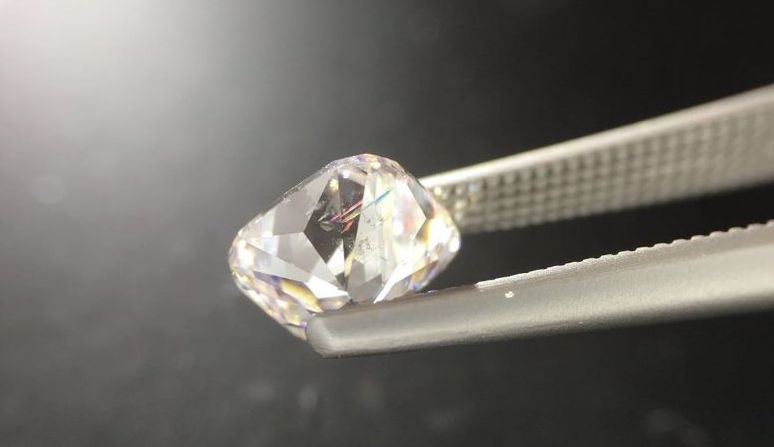
Hopefully after reading this post you will have a better understanding of fracture filled diamonds and you will feel more confident when buying untreated and/or treated stones. Remember, when buying treated stones you might be able to get a bigger stone for less money. However, while the treatment might enhance the clarity, it will lower the colour of the stone.
.jpg)
When buying a treated diamond, if you would like to have a report showing its clarity grade after the treatment, you could always request it from an independent gem lab. Bear in mind, since this particular treatment is not permanent some reputable labs will refuse to grade these stones. However, here at IGR as an independent lab we feel it is our duty to protect the consumer and we issue full detailed reports on these particular stones. We will always confirm to the customer if the stone he/she is about to purchase is treated or not.
Lucia @ IGR London
Credit source @ 1 Skawinska, Janina. Fracture Filling of Diamonds. https://www.cigem.ca/418.html. 1995