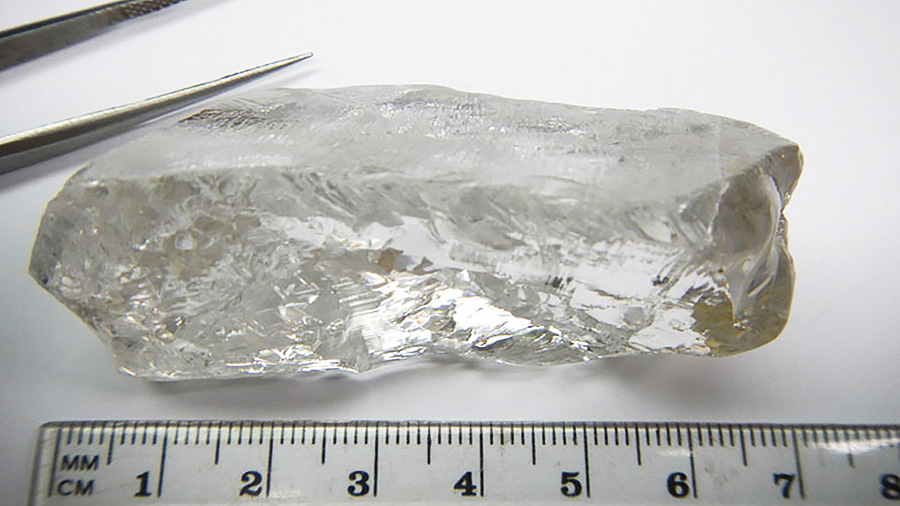
404-carat diamond sold for $16 million
02.03.16
LUCAPA, a diamond mining company at the Lulo Diamond Concession in Angola, sold the 404.2 carat diamond discovered at the mine last month for $16 million.
Its sale price of $39,580 per carat is a record price for a white diamond found at the site.
The Lulo Diamond Project is a 3,000 squared km concession in Angola's Lunda Norte diamond heartland, approximately 630km east of the Angolan capital of Luanda.
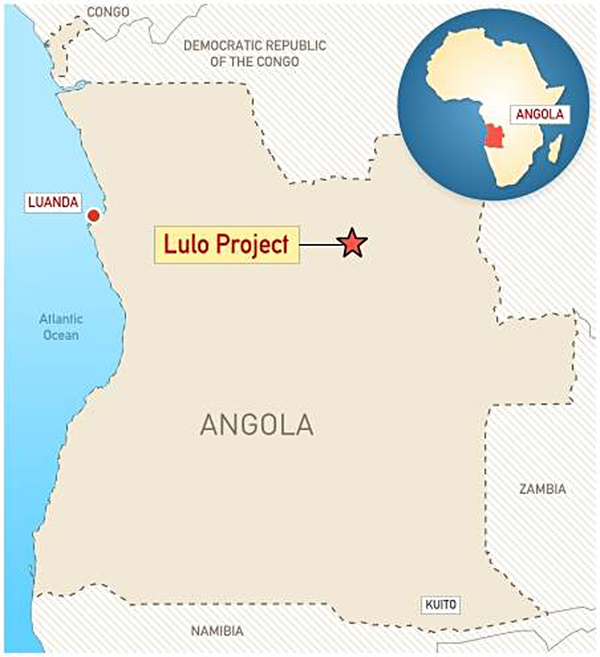
Image: www.lucapa.com
The project is a partnership between Lucapa (40% interest in mining operations), Endiama (32%), which is the national mining company of Angola, Rosas (28%) and Pétalas (28%).
The Lulo Concession hosts vast alluvial diamond fields producing diamonds of exceptional quality and premium value.
What are alluvial diamonds?
Alluvial diamonds are diamonds that have been removed from the primary source, kimberlite, by natural erosive action over millions of years, and eventually deposited in a new environment such as a river bed, an ocean floor or a shoreline.
Where are alluvial diamond deposits found?
Alluvial diamond deposits are found on the Atlantic coast of South Africa and Namibia, as well as in some riverbeds in Angola, Sierra Leone, Democratic Republic of Congo, Central African Republic, Cote d’Ivoire, Guinea, Ghana, Liberia, Tanzania, Togo, Brazil, Venezuela, Guyana and South Africa.
Lucapa has been conducting alluvial and kimberlite exploration activities continuously at Lulo since 2008 and has been mining alluvial diamonds since January 2015.
“The sale of a single diamond for $16 million underlines the huge potential of the Lulo diamond field to regularly produce gems that are both large and of world-class quality,” said Stephen Wetherall, CEO.
“We look to the future with tremendous excitement at Lulo as we continue mining these exceptional alluvial diamond areas, growing our alluvial mining capability and advancing the kimberlite exploration program to locate the primary source or sources of these gems.”
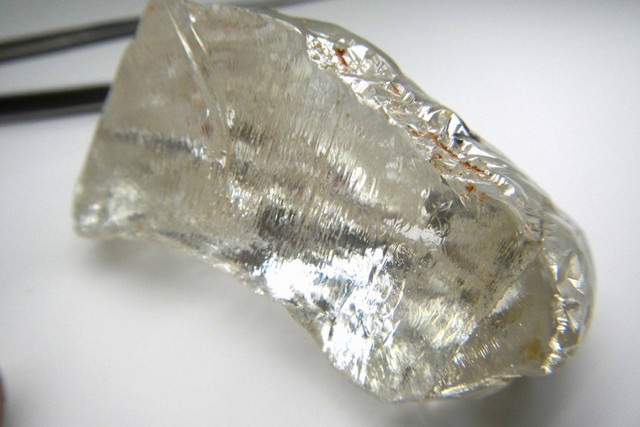
About the diamond:
Type IIa – diamonds of that type make up 1-2% of ALL natural diamonds. These diamonds are almost or entirely devoid of impurities, and consequently are usually colourless. They are very transparent in ultraviolet. Such diamonds constitute a great percentage of Australian production. Many famous large diamonds, like the Cullinan, Koh-i-Noor, and Lesedi La Rona, are Type IIa. Synthetic diamonds grown using the CVD process typically also belong to this type.
D color - Absolutely colourless. The highest color grade. Extremely rare.
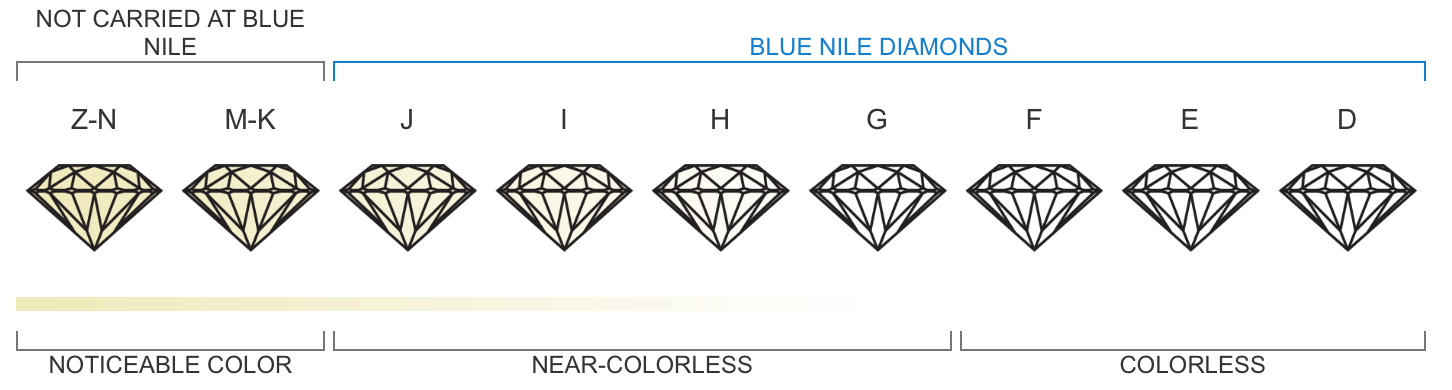
Image: www.bluenile.com
It is the largest recorded diamond ever found in Angola, the 27th largest known diamond in the world, and the biggest diamond ever discovered by an Australian mining company.
The stone is also the fourth 100-plus-carat diamond recovered from Lulo to date.
Angola is the world’s fourth biggest producer of diamonds by value and is actively encouraging foreign investment in its diamond industry.
Its potential for new diamond discoveries is recognised by the world’s two biggest diamond mining companies, Alrosa and De Beers.